.webp)
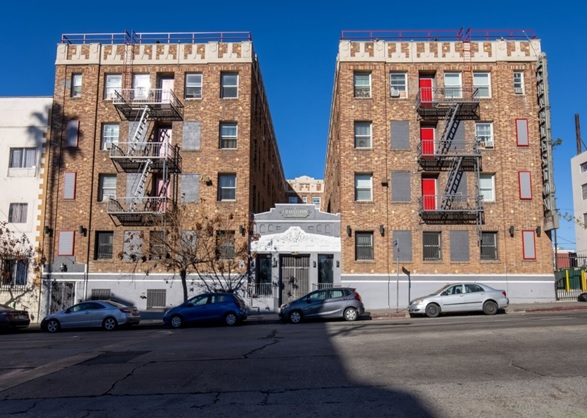
Apartment
Welcome to Home Point Appraisal, Your Trusted
Real Estate
Apartment
Appraiser
An Apartment (5+ Unit) Appraisal is a valuation of a multi-family residential property with five or more rental units. This type of appraisal assesses the property’s market value based on its income-producing potential, physical condition, location, and comparable sales of similar multi-unit buildings. The appraiser typically analyzes the property’s rental income, operating expenses, occupancy rates, and capitalization rate to determine its value using the income approach, along with support from sales and cost approaches when applicable.
Why Choose Home Point Appraisal?
With over 25+ years of experience in the SoCal real estate industry, we have expertise and knowledge of your local market. Call us for fast response or click the button below to get an instant quote.


Frequently Asked Questions — Apartment Building Appraisal
What’s the difference between residential and commercial apartment appraisals?
Properties with 1–4 units are appraised as residential. Properties with 5+ units (apartment buildings) are appraised as commercial income properties. The 5+ unit threshold triggers commercial methodology: the income approach becomes primary, gross rent multipliers and capitalization rates drive value, and the buyer pool shifts from owner-occupants to investors. Lender requirements, loan products, and reporting forms all differ between residential and commercial.
How do you value an apartment building?
Apartment buildings are valued primarily through the income approach. We analyze: current rent roll vs market rents, operating expenses (taxes, insurance, utilities, maintenance, management), vacancy and collection loss, capital expenditure reserves, and net operating income (NOI). The NOI is then capitalized using a market-derived cap rate to arrive at value. We also support the income value with sales comparison of similar apartment buildings and (when relevant) a cost approach.
How do you handle rent-controlled buildings in Los Angeles?
LA County and the City of Los Angeles both have substantial rent stabilization ordinances. We analyze the regulated rent structure, expected rent growth trajectory under RSO, and the resulting NOI given regulatory constraints. Rent-controlled buildings typically trade at higher cap rates (lower values per dollar of current NOI) than non-controlled equivalents because the rent growth ceiling caps future income. Comp selection must respect rent control status.
What documentation do you need for an apartment appraisal?
To produce an accurate valuation we need: current rent roll with lease terms and start dates, trailing 12 months of operating statements (T-12), recent property tax bills, insurance declarations, any service contracts (landscaping, security, etc.), capital improvement history, and any pending lease renewals or vacancies. The cleaner the financials, the more defensible the appraisal.
Will lenders accept your apartment appraisals?
Yes. We’ve completed apartment appraisals for Freddie Mac SBL, Fannie Mae multifamily, agency, and conventional lender programs in Los Angeles County. Reports follow appropriate forms (Form 71B for small balance, MAI-style narrative for larger properties) and meet the documentation standards expected by institutional lenders, private money lenders, and bridge lenders financing multifamily acquisitions and refinances.
.webp)