.webp)
Historical Home
Welcome to Home Point Appraisal, Your Trusted
Real Estate
Historical Home
Appraiser
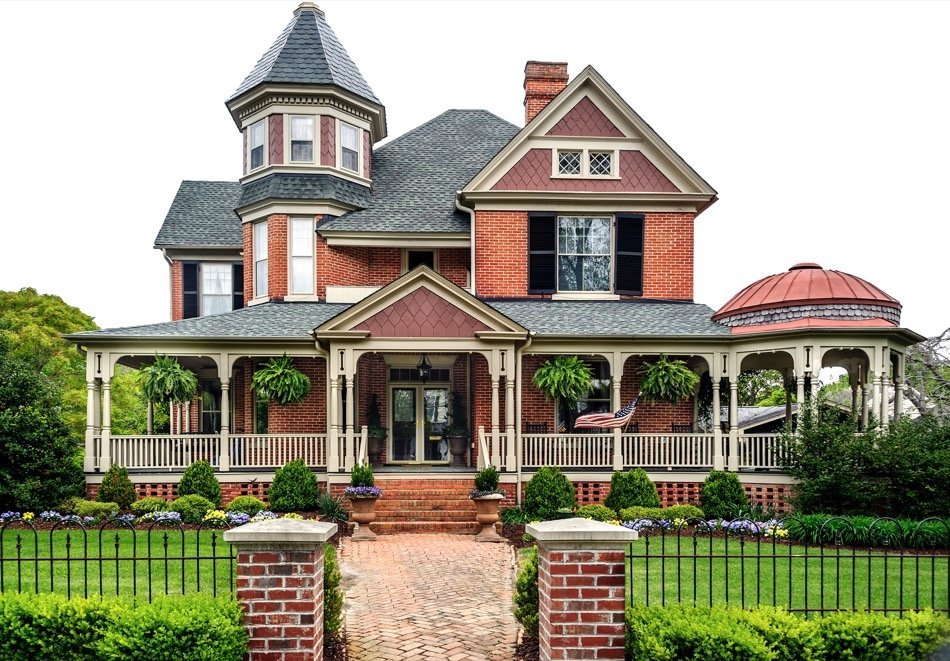
A Historical Home Appraisal is a professional valuation of a property that is designated or eligible as a historic home. The appraisal considers the home’s architectural significance, age, preservation status, and historical features, in addition to typical market factors such as location, condition, and comparable sales. This type of appraisal helps owners, buyers, lenders, or preservation agencies understand the market value while accounting for the unique characteristics and restrictions associated with historic properties.
Why Choose Home Point Appraisal?
With over 25+ years of experience in the SoCal real estate industry, we have expertise and knowledge of your local market. Call us for fast response or click the button below to get an instant quote.


Frequently Asked Questions — Historical Home Appraisal
What makes a home “historical” for appraisal purposes?
A home may be considered historical based on (a) age alone (typically 50+ years), (b) architectural significance (Craftsman, Spanish Colonial Revival, Mid-Century Modern, etc.), (c) historical designation (HPOZ, Mills Act contract, National Register), or (d) cultural/event significance. In Los Angeles, neighborhoods like Hancock Park, Windsor Square, West Adams, Angelino Heights, and Bungalow Heaven contain concentrations of architecturally and historically significant homes.
How does a Mills Act contract affect home value?
The Mills Act provides property tax reductions (often 40–60%) in exchange for owners maintaining historical features. The tax savings can materially increase home value because the lower tax burden increases what buyers can afford to pay. In appraising a Mills Act home, we analyze: the contract terms, the annual tax savings, the remaining term, and the buyer-pool premium for Mills Act homes vs equivalent non-Mills properties. The Mills Act adjustment is often substantial in qualifying neighborhoods.
How do you handle HPOZ (Historic Preservation Overlay Zone) properties?
HPOZ designation imposes design review requirements on exterior modifications and additions. This typically: (a) preserves neighborhood character and supports value, (b) restricts certain renovations or expansions, and (c) requires HPOZ board approval for material changes. We analyze HPOZ comparables to derive the market premium or discount, which varies by HPOZ neighborhood. In neighborhoods like Hancock Park, the HPOZ premium is significant; in others it’s more neutral.
What if the home has been altered from its original historical configuration?
Alterations that compromise historical integrity (removed period windows, vinyl siding over original wood, modernized facades) typically reduce value in markets that prize historical authenticity. We document the original vs altered features and analyze comparable sales of similarly altered homes to derive the value impact. In some cases, reversal of alterations can be supported as a value-additive renovation.
Are historical homes harder to finance and insure?
They can be. Lenders may require additional documentation for older systems (electrical, plumbing) and unique construction. Insurance can be more expensive due to higher replacement costs for historical features. These factors don’t typically reduce value but can affect time-to-close. Our appraisal documents the property’s condition and any system updates so the lender and insurer have what they need.
.webp)