.webp)
Retrospective Appraisal
Welcome to Home Point Appraisal, Your Trusted
Real Estate
Retrospective Appraisal
Appraiser
A Retrospective Appraisal is a property valuation that estimates the market value of a property as of a specific past date. This type of appraisal is often used for legal, tax, or estate purposes, such as determining value for a past transaction, date of death, or prior financial reporting. The appraiser relies on historical data, comparable sales, and market conditions that existed on the specified date to provide an objective and well-supported opinion of value.
Why Choose Home Point Appraisal?
With over 25+ years of experience in the SoCal real estate industry, we have expertise and knowledge of your local market. Call us for fast response or click the button below to get an instant quote.


Frequently Asked Questions — Retrospective Appraisal
What is a retrospective appraisal and when is it used?
A retrospective appraisal estimates a property’s fair market value as of a specific past date rather than today. Common uses include: IRS estate tax filings (date of death), divorce community property valuation (date of separation), insurance claim disputes (date of loss), retroactive tax appeals, partnership dissolution accounting, and litigation involving past transactions. The methodology is USPAP-compliant and relies entirely on data available at the historical date.
How far back can you appraise a property?
We can perform retrospective appraisals going back decades when the historical data exists. The further back the effective date, the more research is required to reconstruct accurate comparable sales, market conditions, and economic factors. Most of our retrospective work falls within the last 1–10 years, but we’ve completed appraisals going back 20+ years when needed for trust administration or legal matters. The key is whether sufficient historical sales data is accessible.
How do you find comparable sales from years ago?
We use a combination of: MLS historical archives (many MLS systems retain decades of data), public records (county recorder, assessor), tax records, prior appraisals or BPOs from the era, news archives for major market events, and sometimes interviews with brokers active in that market at the time. For older periods, we may also rely on aggregate market data, transaction databases like CoreLogic, and historical published indices.
Will a retrospective appraisal hold up to IRS or court scrutiny?
Yes, when prepared by a Certified Residential Real Estate Appraiser following USPAP standards. A defensible retrospective appraisal documents: the data sources used, why each comparable was selected, what adjustments were applied and why, the market conditions analysis for the historical period, and the reasoning behind the final value opinion. The report should anticipate the questions an IRS examiner or opposing counsel would ask and answer them within the report itself.
Can you appraise a property that has changed significantly since the effective date?
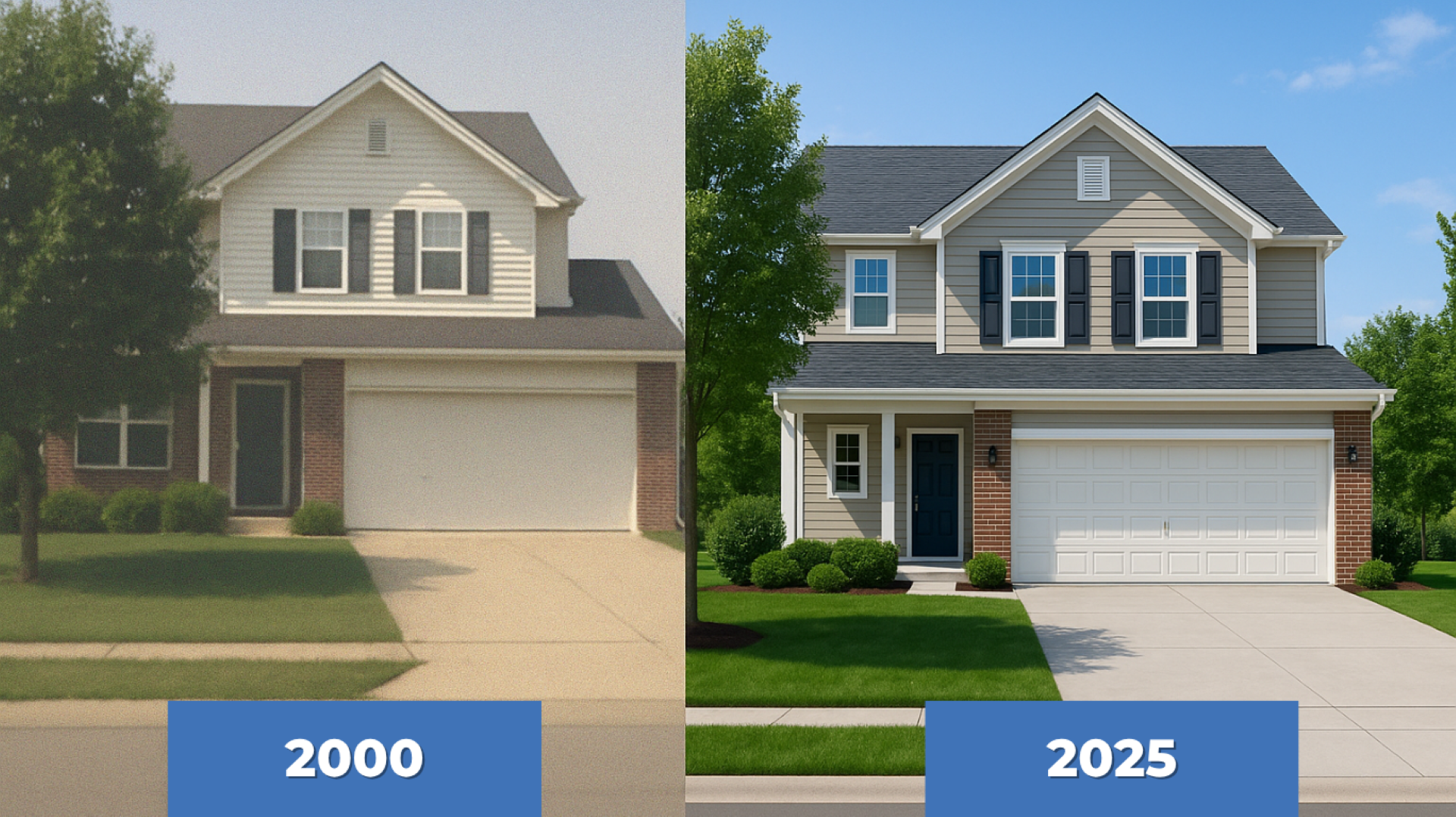
Yes. Retrospective appraisals value the property as it existed on the historical date, not its current condition. If the property has been renovated, expanded, demolished, or altered, we appraise the pre-change version using historical photos, prior listings, permit records, and tax records to reconstruct the property’s state at the effective date. This is especially common in estate appraisals where renovations occurred after the date of death.
.webp)