.webp)
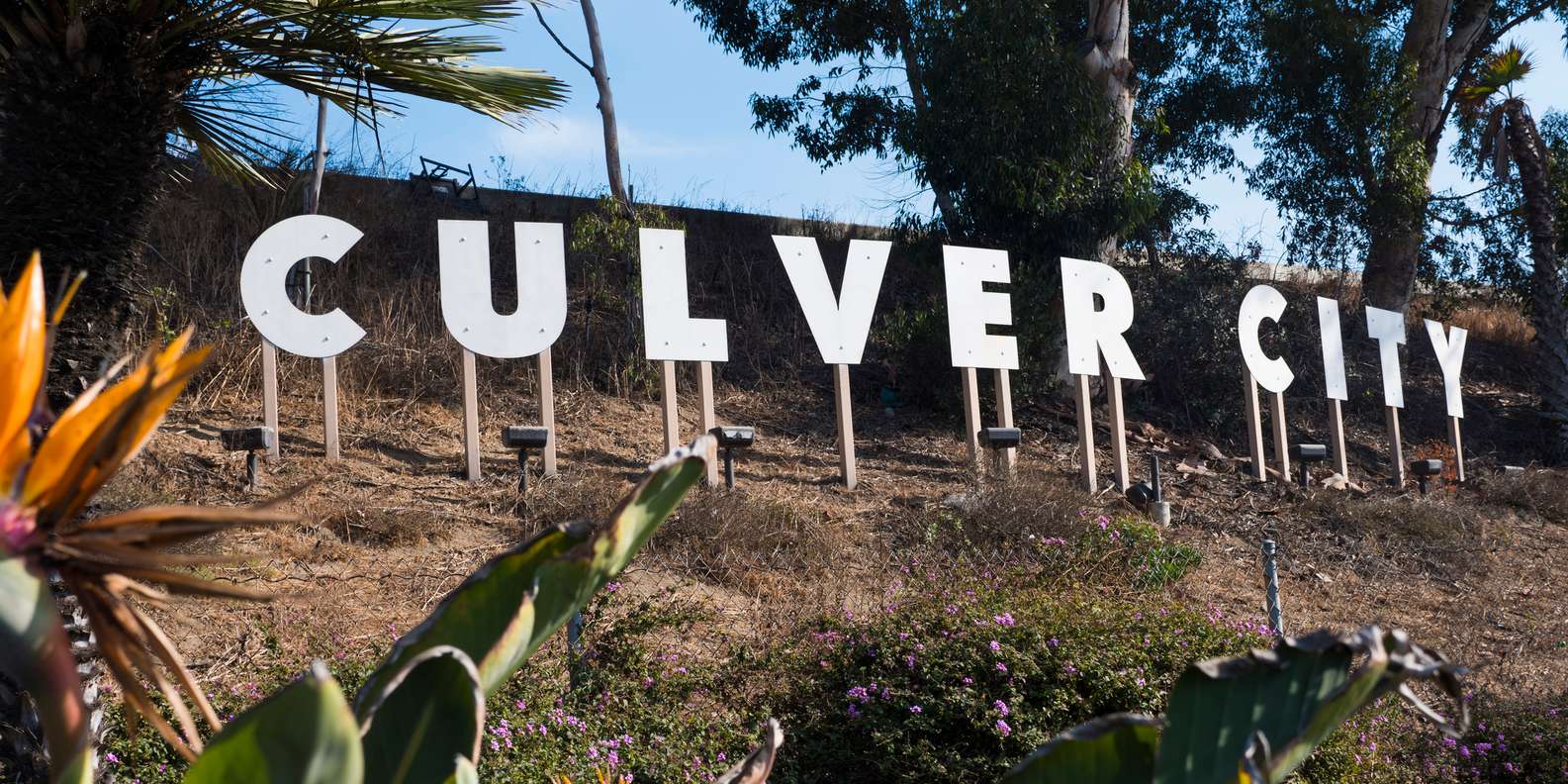
Culver City
Welcome to Home Point Appraisal, Your Trusted
Culver City
Real Estate
Appraiser
Culver City Appraisals Require Downtown Revival and Sub-Neighborhood Awareness
Culver City has gone through one of the most dramatic transformations of any Westside market over the last fifteen years. The downtown core has been remade into a tech and entertainment employment center, with Amazon, Apple, HBO, and other major employers anchoring a walkable district that didn’t exist in the same form a generation ago. That transformation has reshaped how Culver City property values work.
The methodology challenge in Culver City is calibrating proximity to the downtown core and tech corridor. Residential blocks within walking distance of downtown have appreciated on different fundamentals than blocks farther out. At the same time, Culver City contains nine distinct named sub-neighborhoods that each have their own established character, and treating the city as a single market produces values that miss what the actual sub-area does.
I’ve appraised Culver City properties through the entire downtown revival cycle and across all nine sub-neighborhoods. The methodology requires understanding both the proximity premium and the sub-neighborhood character.
About Culver City
Culver City is an independent city of approximately 40,000 residents covering 5 square miles on the Los Angeles Westside. The city is bordered by Los Angeles neighborhoods on most sides, including Mar Vista to the west, Palms to the north, Baldwin Hills to the east, and Inglewood-adjacent areas to the south. Despite being small and surrounded by Los Angeles, Culver City has been an independent municipality since 1917.
The historic identity is rooted in film production. MGM, Hal Roach Studios, and the original Selznick International studios were all based in Culver City, and the legacy production lots (now Sony Pictures and Culver Studios) still operate from the same sites. The city marketed itself as “The Heart of Screenland” for decades and the production economy remains a foundational element of the city’s identity.
The housing stock spans roughly a century of development. The older central areas contain Spanish Colonial, traditional, and bungalow architecture from the 1920s and 1930s. The mid-city areas built up with post-war ranch and traditional construction through the 1950s and 1960s. The hillside areas (Blair Hills, Culver Crest) developed later with custom and tract construction on view lots. Newer condominium and townhome inventory has been added in the downtown core and along the corridors over the last two decades.
Why Sub-Neighborhood Methodology Matters in Culver City
- Downtown proximity premium. Walking distance to the downtown core (Culver Boulevard, the Culver Hotel area, the Expo line station) commands a measurable premium that has grown over the last decade.
- Tech corridor effect. Blocks adjacent to the Amazon and Apple campus footprints trade differently than blocks several streets removed, even within the same sub-neighborhood.
- Hillside vs flatland. Blair Hills and Culver Crest are physically and economically different from the flatland sub-neighborhoods. View premiums and topography both factor.
- School district consistency. Most of Culver City is served by Culver City Unified School District, which is a positive value driver relative to the surrounding LAUSD areas. The boundary should be verified at the lot level.
- Sub-neighborhood character. Each of the nine named sub-neighborhoods has its own established identity and comp pool.
Culver City’s Nine Sub-Neighborhoods
- Carlson Park. Central residential anchored by the namesake park. Traditional housing stock.
- Lucerne-Higuera. Established residential with mixed inventory.
- Park West. West-side residential.
- Blanco-Culver Crest. Hillside area with view properties.
- Culver-West. Western edge of the city.
- McLaughlin. Central-area residential.
- Clarkdale. Established residential pocket.
- Blair Hills. Hillside residential with custom and view inventory.
- Fox Hills. South-end residential with significant condominium and townhome inventory.
A defensible Culver City appraisal anchors comps inside the subject’s sub-neighborhood whenever sufficient activity supports it.
Common Culver City Appraisal Scenarios
The work I do in Culver City typically falls into a few categories.
- Probate and Date-of-Death Valuations. Culver City has many long-tenured homeowners whose properties were purchased decades before the downtown revival. Probate appraisals frequently encounter properties that have appreciated dramatically beyond original purchase price. Date-of-death valuations establish the IRS step-up basis correctly.
- Estate Planning and Trust Valuations. Trust appraisals for Culver City properties support gift tax planning, generation-skipping transfer tax filings, and stepped-up basis purposes.
- Divorce. Family law appraisals in Culver City require defensible methodology. The downtown proximity premium and sub-neighborhood selection both become contested points when opposing counsel disagrees.
- Pre-Listing Valuations. Sellers preparing to list benefit from an independent valuation. Culver City automated valuation models routinely undervalue downtown-proximate properties because they pull comps from sub-neighborhoods that don’t share the same walkability profile.
- ARV for Renovation Projects. Many Culver City homes are being purchased for full renovation. ARV appraisals analyze comparable recent rebuilds inside the subject’s sub-neighborhood for projection accuracy.
Why Choose Home Point Appraisal for Culver City
Culver City appraisals require an appraiser who has tracked the downtown revival cycle and understands how the nine sub-neighborhoods trade. That means recognizing the downtown proximity premium without overstating it, and selecting comps from inside the subject’s sub-neighborhood whenever the data supports it.
I’ve appraised properties across the Westside for over 25 years, including Culver City through its entire downtown transformation. When you hire Home Point Appraisal for a Culver City property, you’re getting:
- USPAP-compliant reports built for IRS, court, and lender scrutiny.
- Direct access to me. No outsourced inspections, no junior appraisers.
- 3 to 5 business day standard turnaround. Rush options available for court or estate deadlines.
Culver City Landmarks That Affect Property Value
- Downtown Culver City. The revitalized commercial core anchored by Culver Boulevard and the Culver Hotel. Walking-distance premium for adjacent residential.
- Sony Pictures and Culver Studios. Active production lots. Employment anchor for the surrounding area.
- Amazon and Apple campuses. Major tech employer footprints. Localized appreciation pressure on adjacent residential blocks.
- Culver City Expo Line Station. Light rail access. Walkability premium for nearby residential.
- Kenneth Hahn State Recreation Area and Baldwin Hills. Open space and views for hillside-adjacent sub-neighborhoods.
- Culver City Unified School District. The district boundary is a meaningful value driver relative to surrounding LAUSD areas.
Get Your Culver City Appraisal Started
Call 213-739-9267 or click the red button below for an instant quote. Most Culver City appraisals are completed in 3 to 5 business days. Rush options are available for time-sensitive court or estate deadlines.
Save $50 with code 50WEB25 at checkout.
Why Choose Home Point Appraisal?
With over 25+ years of experience in the SoCal real estate industry, we have expertise and knowledge of your local market. Call us for fast response or click the button below to get an instant quote.
GET INSTANT PRICING NOW

.webp)