.webp)
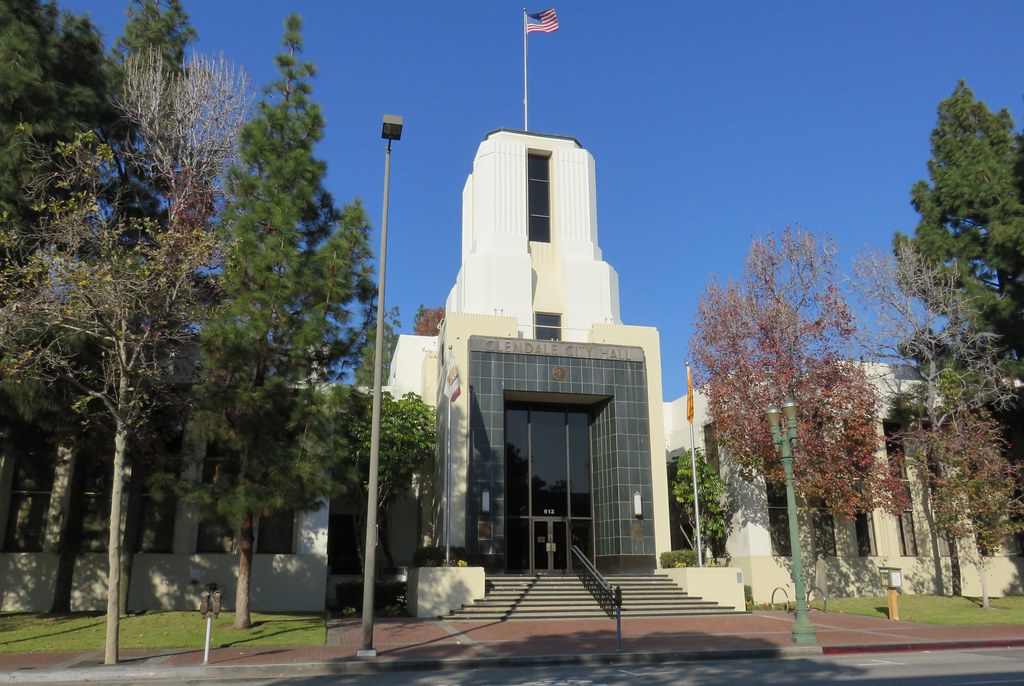
Glendale
Welcome to Home Point Appraisal, Your Trusted
Glendale
Real Estate
Appraiser
Glendale Appraisals Require Sub-Market Awareness, Not City-Wide Comps
Glendale is Los Angeles County’s third-largest city and one of the most architecturally and topographically diverse in Southern California. Pulling a comparable sales analysis across “Glendale” without distinguishing between sub-markets produces values that don’t reflect what the actual neighborhood market does. A Glenoaks Canyon hillside estate doesn’t trade on the same fundamentals as a Tropico flatland bungalow, and an Adams Hill historic home doesn’t compare cleanly to a Verdugo Woodlands tract home.
The most common mistake outside appraisers make in Glendale is treating the city as a single market. Glendale is actually a collection of distinct sub-markets, each with its own architecture, topography, buyer pool, and price trajectory. A defensible Glendale appraisal recognizes which sub-market the subject property belongs to and selects comps accordingly.
I’ve appraised across most of Glendale’s sub-areas for over 25 years. The methodology requires understanding the city sub-area by sub-area, not as a single market.
About Glendale
Glendale is a large city of approximately 200,000 residents covering more than 30 square miles in the foothills of the Verdugo and San Rafael Mountains, immediately northeast of downtown Los Angeles. The city was incorporated in 1906 and developed through several major waves of growth, leaving behind a remarkable mix of housing styles and eras.
You’ll find original 1920s Spanish Colonial Revival and Craftsman bungalows in the historic core, 1930s and 1940s English Tudor and traditional homes in established residential pockets, 1950s and 1960s mid-century ranch tracts in the flatlands and hillside neighborhoods, and contemporary new construction throughout the city. Glendale also has a robust condominium market, particularly in the downtown core and along major corridors.
The topography varies dramatically from flat valley floor in the south to steep hillside neighborhoods climbing into the Verdugo Mountains in the north. That topographic range alone creates significant valuation distinctions across the city.
Glendale Sub-Markets
Glendale contains several distinct sub-areas, each with its own value dynamics:
- Adams Hill. Historic hillside neighborhood with significant Craftsman, Spanish Colonial, and English Tudor inventory. Strong historic preservation interest. Premium for the architectural character and the elevated views.
- Glenoaks Canyon. Upper-elevation residential neighborhood in the Verdugo foothills. Custom estate properties with mountain and city views. Different buyer pool than the flatlands.
- Verdugo Woodlands and Whiting Woods. Hillside residential neighborhoods on the slopes of the Verdugo Mountains. Often more secluded, with larger lots and view premiums.
- Brand Park and Riverside Rancho. Established residential areas near Brand Park with mid-century inventory and proximity to the park amenities.
- Downtown Glendale and the Americana area. The condo and townhome market is centered here. Different methodology applies due to the high-density vertical inventory.
- Tropico (South Glendale). Older flatland neighborhood near the Atwater Village border. Significant gentrification and remodel activity.
- Northwest Glendale (Crescenta Highlands area). Border with La Crescenta. Hillside residential with mountain views.
Each sub-market trades on its own fundamentals. A defensible Glendale appraisal recognizes which one the subject sits in and selects comps from inside that sub-market wherever possible.
Why Glendale Sub-Markets Don’t Cross-Compare
The methodology challenge in Glendale is resisting the temptation to pull comps from outside the subject property’s sub-market just because they’re technically within the city limits.
A Craftsman bungalow in Adams Hill trades on architectural character and historic district appeal. A mid-century ranch in Verdugo Woodlands trades on view orientation and hillside seclusion. A condo near the Americana trades on walkability and building amenities. A flatland tract home in Tropico trades on entry-level affordability and gentrification trajectory. These are different buyer pools chasing different attributes.
A clean Glendale appraisal anchors the comp pool inside the subject’s sub-market first, then expands carefully only when the inside-sub-market inventory is too thin.
Common Glendale Appraisal Scenarios
The work I do in Glendale typically falls into a few categories.
- Probate and Date-of-Death Valuations. Glendale’s established residential neighborhoods have many long-term owners. Date-of-death appraisals establish the IRS step-up basis, often saving heirs substantial capital gains tax.
- Estate Planning and Trust Valuations. Trust-held properties are common throughout Glendale. Trust appraisals support gift tax planning, generation-skipping transfer tax filings, and stepped-up basis purposes.
- Divorce Valuations. Glendale properties are often the largest community asset in a divorce. The sub-market distinctions described above frequently become contested points in family court.
- Pre-Listing Valuations. Sellers preparing to list want an independent valuation. This matters especially in Glendale because automated valuation models routinely cross-compare across sub-markets and miss the architectural and topographic distinctions.
- After Repair Value (ARV) for Renovation Projects. Glendale has active flip and major-renovation activity, particularly in the older flatland neighborhoods. ARV appraisals analyze what planned renovations will produce in market value once completed.
Why Choose Home Point Appraisal for Glendale
Glendale appraisals require an appraiser who knows the sub-markets and can credibly classify the subject property within the right comp pool. That means understanding Glendale neighborhood by neighborhood, not as a single citywide market.
When you hire Home Point Appraisal for a Glendale property, you’re getting:
- USPAP-compliant reports built for court, IRS, and lender scrutiny.
- Direct access to me. No outsourced inspections, no junior appraisers.
- Sub-market-aware comp analysis that respects Glendale’s architectural and topographic diversity.
- 3 to 4 business day standard turnaround on most reports.
Glendale Landmarks That Affect Property Value
- The Americana at Brand. Major outdoor shopping and entertainment district. Properties within walking distance, especially condos, command meaningful premiums.
- Brand Park. Historic park and Brand Library. Positive value driver for adjacent residential neighborhoods.
- Verdugo Mountains. Form Glendale’s northern backdrop. View properties facing the mountains command premiums.
- Forest Lawn Memorial Park. Historic cemetery on the western edge. Adjacent properties have specific proximity considerations.
- The 134 and 5 Freeways. Major access corridors. Convenience premiums for nearby properties but noise considerations directly adjacent.
- Glendale Galleria and downtown commercial core. Anchors the central commercial district. Walkability premiums for nearby residential.
Get Your Glendale Appraisal Started
Call 213-739-9267 or click the red button below for an instant quote. Most Glendale appraisals can be scheduled within 48 hours, with the completed report delivered 3 to 4 business days after inspection.
Save $50 with code 50WEB25 at checkout.
Why Choose Home Point Appraisal?
With over 25+ years of experience in the SoCal real estate industry, we have expertise and knowledge of your local market. Call us for fast response or click the button below to get an instant quote.
GET INSTANT PRICING NOW

.webp)